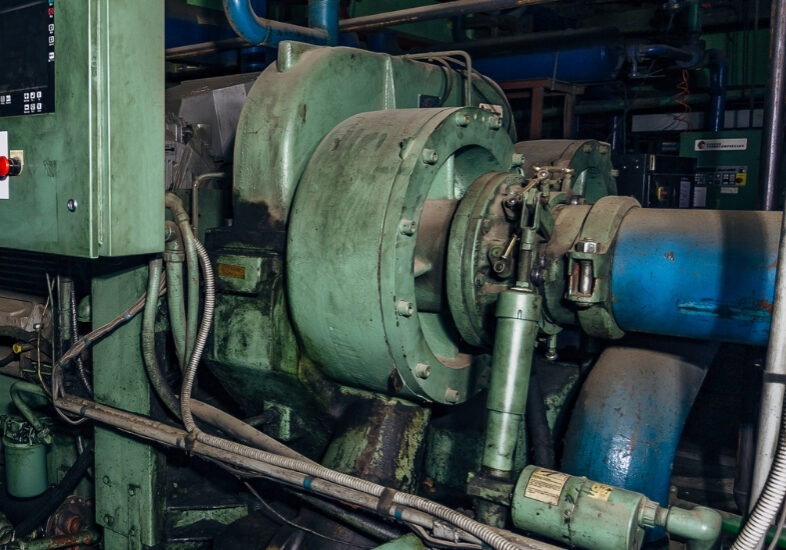
Repair, Rebuild, or Replace? How to Evaluate an Industrial Centrifuge
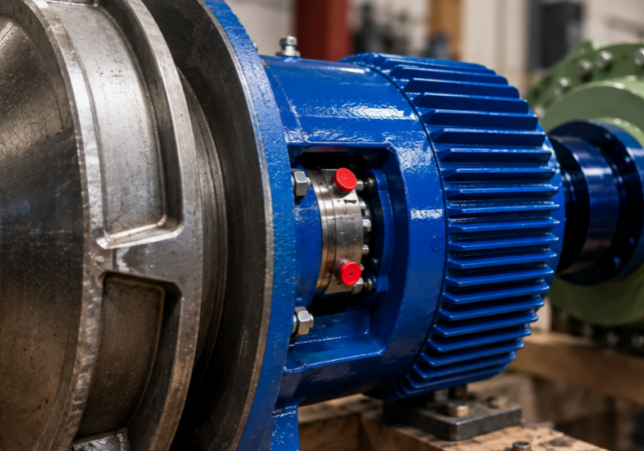
A centrifuge comes off the line, and the question on everyone’s mind isn’t just what’s wrong. It’s whether it’s worth fixing. A worn bearing may point to a straightforward repair that gets the unit back into service quickly. But when wear extends across multiple systems, critical components are nearing the end of their service life, or replacement parts are becoming difficult to source, the cost of fixing one problem has to be weighed against the condition and remaining life of the machine as a whole.
Houston Dynamic has been a trusted partner in centrifuge repair for more than 30 years, with the in-house engineering and machine shop capabilities to evaluate what makes sense once the condition of the equipment is clear. Sometimes that means repairing a specific failure. Sometimes the extent of wear justifies a more comprehensive rebuild. And sometimes the cost, condition, age, or parts availability of the unit makes replacement the better long-term investment.
Those are three different decisions with very different implications for cost, turnaround time, reliability, and future maintenance. Getting that call wrong in either direction can mean spending more than necessary or putting money into a machine that won’t deliver the service life to justify it. That’s why the recommendation should be based on what the teardown actually reveals, not a predetermined scope of work.
Here’s how HDS thinks through the repair, rebuild, or replace decision, and what actually determines which path fits your centrifuge.
What Centrifuge Bearing Wear Actually Signals
A few factors determine which path applies once teardown and inspection are complete, and bearing condition is usually the clearest place to start.
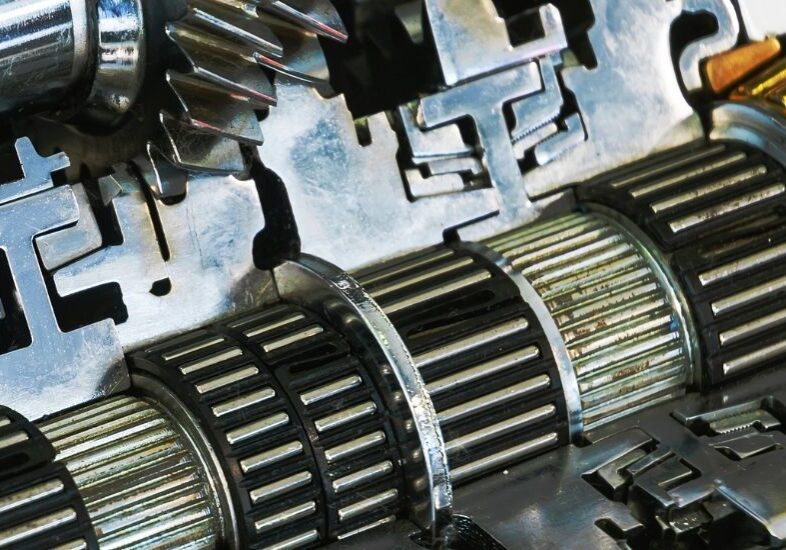
Bearing and drive condition: Bearing wear is one of the clearest signals, since it’s both the most common failure point and a strong indicator of how the rest of the machine has been running. Isolated bearing wear points toward repair; bearing wear alongside gearbox or drive component wear points toward rebuild.
Extent of wear across systems: A technician who has torn the unit down can tell you whether wear is isolated to one component or spread across several. That single data point separates a repair from a rebuild more reliably than age or run hours alone.
Downtime cost: A repair is typically faster than a rebuild, which is faster than sourcing and installing new equipment. When downtime cost is high, that turnaround difference is part of the calculation, not just the repair invoice.
Parts availability and OEM support: A centrifuge from a manufacturer still producing parts has more repair and rebuild options than one from a discontinued line. When OEM parts aren’t available, a shop with reverse-engineering and fabrication capability can often still rebuild the unit rather than force a replacement decision.
Age and operating history: Age alone doesn’t determine the right path. A well-maintained older unit can be a good rebuild candidate, while a newer unit run outside its specifications can need a rebuild sooner than expected.
Non-Negotiables That Require Centrifuge Repair
Some conditions settle the repair-versus-rebuild question immediately, regardless of a unit’s age or history.
Isolated component failure: A single worn bearing, seal, or fastener, with no secondary wear elsewhere, is a repair every time. There’s no case for opening up systems that are still within tolerance.
Clean inspection elsewhere: If the surrounding systems pass inspection within OEM tolerance, replacing or rebuilding them isn’t warranted just because one component failed.
First-time failure: A unit with no history of repeat issues on the same component doesn’t need a rebuild to “catch up” on wear it hasn’t accumulated.
What Qualifies an Industrial Centrifuge Machine for a Rebuild
A rebuild is the right call when the evidence points to more than one bad part.
Multi-system wear: Bearings, seals, and the rotating assembly are all outside tolerance at the same time, rather than one isolated failure.
Repeat-failure history: The same centrifuge keeps coming back in for the same or related issue, meaning individual repairs are treating symptoms rather than the underlying wear.
Runtime past the maintenance interval: The unit has accumulated hours well beyond its manufacturer-specified service interval without an intervening rebuild.
A rebuild resets the machine to factory specification across the board, using HDS’s in-house machine shop to machine and restore components rather than sourcing everything new.
When Replacement Makes More Sense Than Rotating Equipment Repair
Replacement is the least common outcome, and it’s usually driven by something other than the mechanical condition of the centrifuge itself. A housing or frame with structural damage that can’t be corrected through machining is one legitimate case. A unit from an OEM that no longer supports the model, where even a rebuild can’t source or fabricate what the machine needs, is another.
Not sure which path fits your centrifuge? Contact Houston Dynamic Service →
Why the Decision Gets Made After Teardown, Not Before
None of this can be determined accurately from a phone call or a description of symptoms alone. A centrifuge that sounds like a simple bearing repair can turn out to have wear in three other systems once it’s opened up, and a unit that sounds like a total loss can turn out to need one part.
That’s why an accurate repair, rebuild, or replace recommendation comes after teardown and inspection, not before. HDS’s process runs through in-house engineering and CAD, giving technicians the ability to reverse-engineer or fabricate components a discontinued OEM can no longer supply, at one of the largest machine shops in the Gulf Coast area. Every repair, rebuild, refurbishing, and reconditioning job gets an estimate for customer approval before work begins, so the decision reflects what teardown actually found rather than a guess made over the phone.
Where to Bring Your Centrifuge for Repair in Houston
If your centrifuge is showing wear, repeat issues, or you’re simply not sure which category it falls into, it’s worth having HDS’s rotating equipment repair team take a look. Decades of experience across many types of industrial centrifuges means the initial assessment is grounded in what similar units typically need, not a blanket recommendation.
Whether the right path turns out to be a straightforward repair, a full rebuild back to factory specification, or something in between, our centrifuge repair team will walk you through the reasoning before any work begins.
FAQ
A rebuild is usually the right call when wear shows up across multiple systems at once, rather than being isolated to a single failed component, or when a unit has a history of repeat repairs for similar issues. An accurate answer requires teardown and inspection, since symptoms alone can undersell or oversell the actual scope of wear.
Is it ever cheaper to replace a centrifuge than repair it?
Rarely on cost alone. A rebuild that restores the unit to original factory specifications typically costs less than new equipment and returns to service faster. Replacement usually gets driven by something other than economics, such as structural damage or a complete lack of OEM support.
What’s the difference between a rebuild and a refurbish?
A rebuild restores the unit to original factory specifications across multiple systems. A refurbish is typically a lighter scope of work, addressing cosmetic or minor functional issues without the same level of teardown and component replacement. Which one applies depends on what inspection finds.
Do you evaluate centrifuges before quoting repair vs. rebuild?
Yes. HDS provides an estimate for customer approval prior to any centrifuge repair, rebuild, refurbishing, or reconditioning work, based on findings from teardown and inspection rather than a phone estimate.
What brands of industrial centrifuges does Houston Dynamic Service repair?
Houston Dynamic Service repairs horizontal, vertical, and pusher centrifuges across all major brands.
Share this post:
Recent posts: